

ADP slams Nigeria’s 2026 budget over rising debt
The opposition party, Action Democratic Party, criticized Nigeria's financial strategy on Tuesday after President Bola Tinubu unveiled the budget for 2026. They cautioned that increasing public debt, ineffective budget implementation, and escalating insecurity are leading the nation toward economic vulnerability.
The opposition party, Action Democratic Party, criticized Nigeria's financial strategy on Tuesday after President Bola Tinubu unveiled the budget for 2026. They cautioned that increasing public debt, ineffective budget implementation, and escalating insecurity are leading the nation toward economic vulnerability.
In a press release from Abuja, Yabagi Sani, the National Chairman of the ADP, expressed that Nigeria is experiencing a "crisis in fiscal credibility." He asserted that recent budgets have focused more on headline numbers instead of actual execution and results.
Sani observed that the public debt has surpassed ₦100 trillion, with debt servicing now taking an excessive portion of federal revenue, which detracts from spending on social programs and capital projects.
He pointed out that the uncertainty surrounding vital assumptions of the 2026 budget—such as oil production, exchange rates, and deficit funding—is already shaking investor confidence and disrupting business planning.
He stated that Nigeria is currently in a state of fiscal credibility crisis—not merely regarding the budget amounts, but also concerning implementation, transparency, and trust. As the nation heads toward 2026, discussions have become more heated regarding overlapping fiscal cycles and ongoing extensions.
Although discussions tend to focus on the headline figures, the real concern remains with execution. By the end of 2025, less than 20 percent of the capital budget for 2025 had been disbursed, causing significant infrastructure projects to be delayed.
The public debt has exceeded ₦100 trillion, with debt servicing taking up more than 60 percent of federal revenue, which obstructs both social programs and capital investment. The uncertainties related to the 2026 budget—especially assumptions about oil production, currency rates, and deficit financing—pose economic risks by eroding investor and business planning.
The chairman of the ADP further emphasized that by the end of 2025, under 20 percent of the 2025 capital budget had been allocated, while debt servicing continued to restrict developmental expenditure.
He also pointed out the nation’s power sector as an example of budgetary failures, remarking that Nigeria produces less than 5,000 megawatts of electricity for over 220 million residents, compelling businesses to depend heavily on expensive generators.
Related Articles
Gov Yusuf betrayed Kano people by returning power to APC – NNPP
The New Nigeria Peoples Party, NNPP, has expressed that Rabiu Musa Kwankwaso is profoundly disheartened by Kano State Governor Abba Kabir Yusuf’s choice to switch allegiance to the All Progressives Congress, APC.
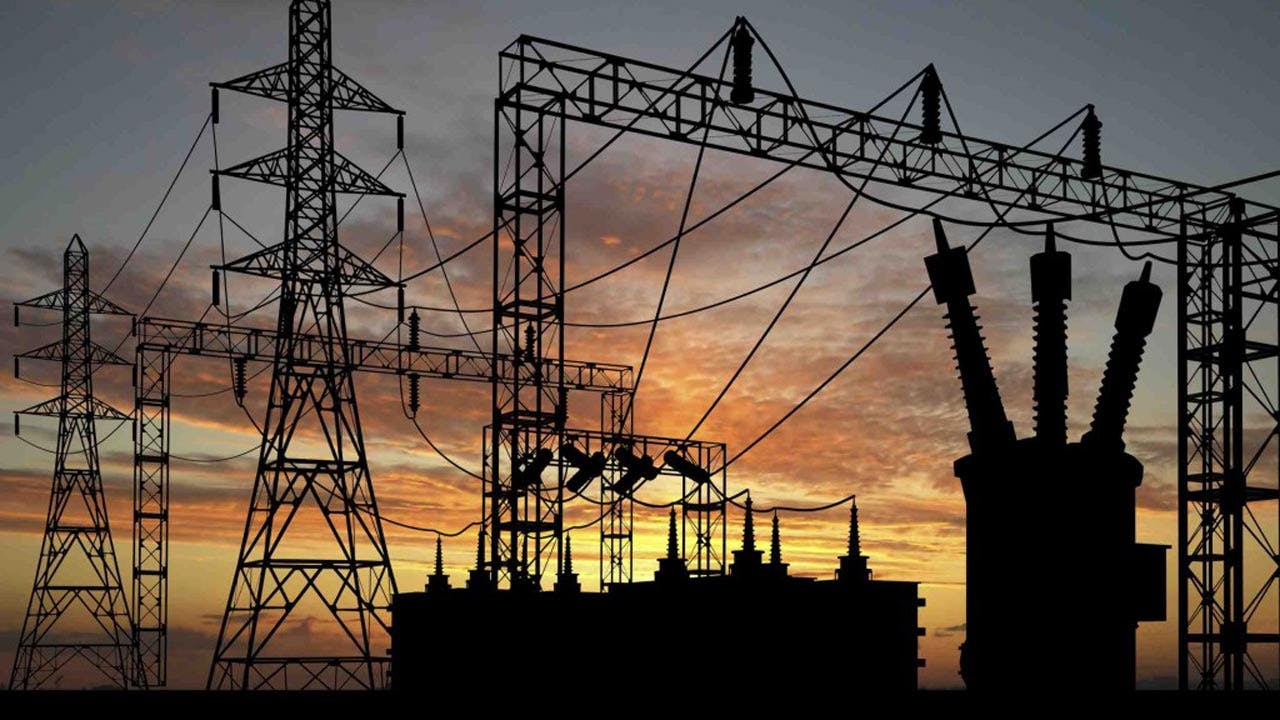
National grid collapses for second time in January 2026
Nigeria’s national power grid failed on Tuesday morning, marking the second incident this January 2026.
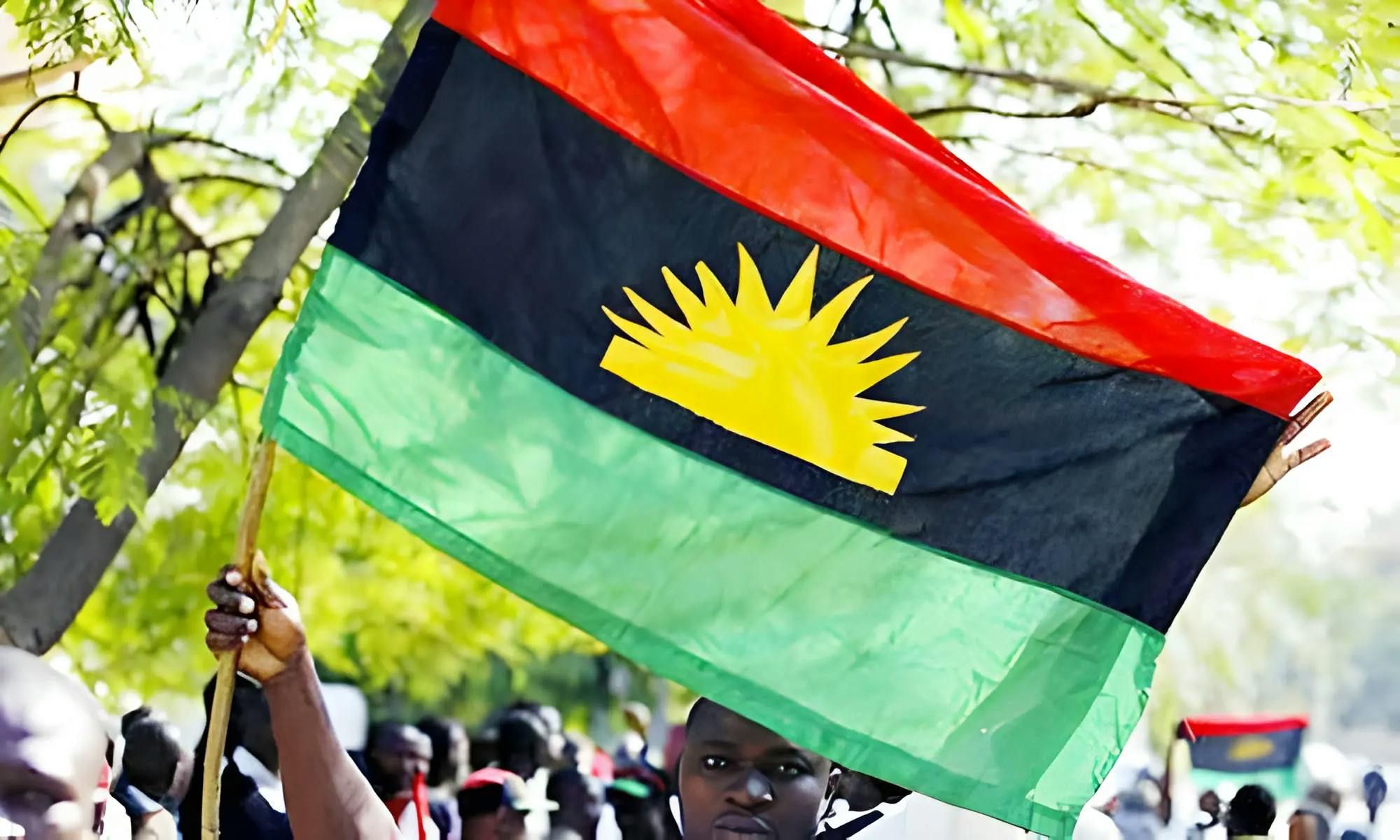
Onitsha Main Market: Soludo wants to foment insecurity, sabotage Biafra struggle – IPOB
The Indigenous People of Biafra, IPOB, has accused Chukwuma Soludo, the governor of Anambra State, of intentionally trying to create instability in order to undermine the 'peaceful' pursuit for Biafra's independence.