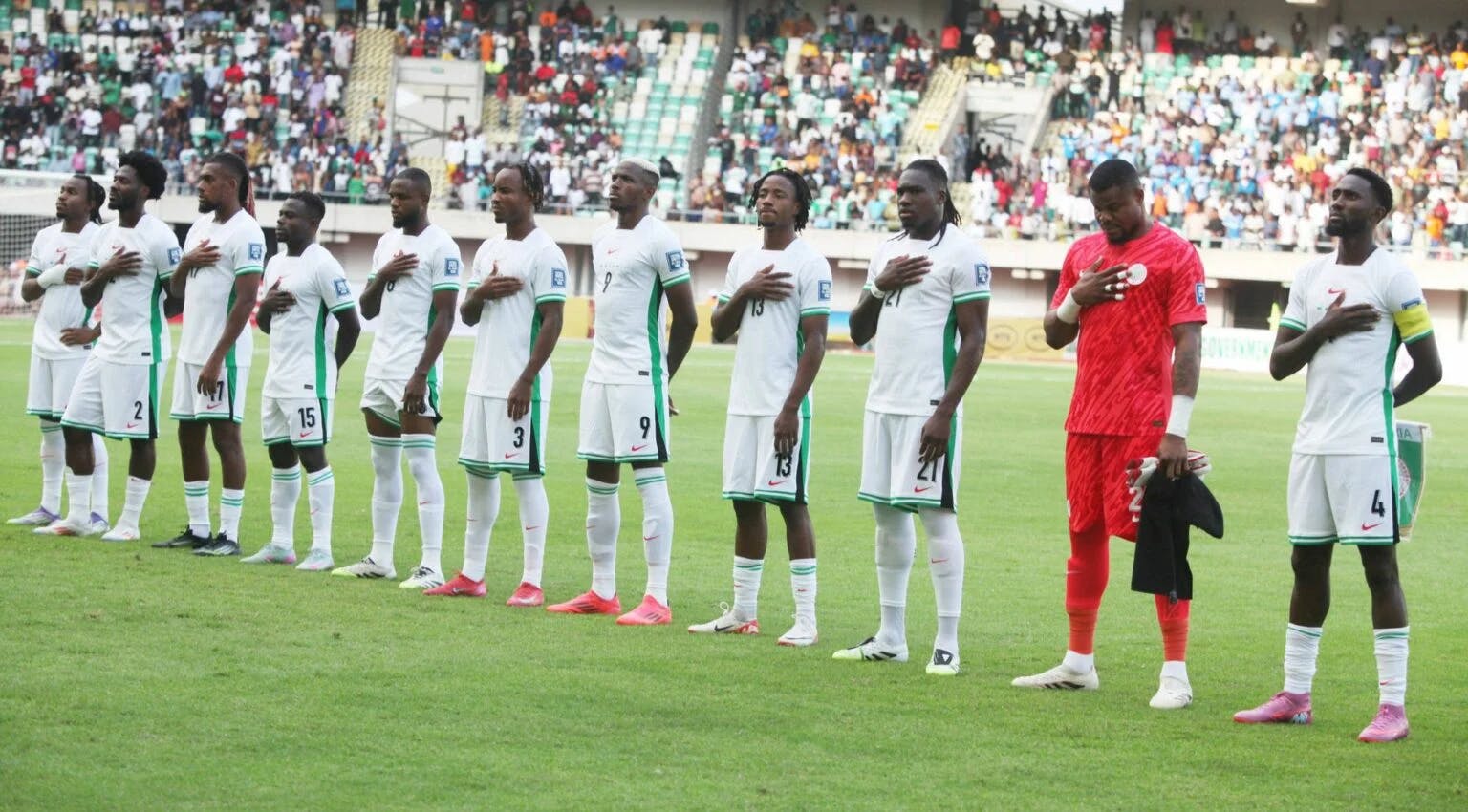

2026 World Cup Tickets Not for the Poor As FIFA Announces Outrageous Prices
2026 World Cup Tickets Not for the Poor As FIFA Announces Outrageous Prices

By Kasali D Obanoyen, Atlanta, Georgia.
“The World Cup has shifted away from being accessible to the less fortunate; it is now solely for the wealthy,” states a football fan who is profoundly disheartened—not due to a lack of enthusiasm, but rather by the painful truth of being left out. To him, the prospect of experiencing the 2026 World Cup now seems as difficult as using chemicals to open a nut.
On Tuesday, the organizers of the World Cup introduced a new low-cost ticket option after receiving criticism from supporters regarding ticket prices for the 2026 event taking place in the United States, Canada, and Mexico.
FIFA, the international governing body of football, announced via a statement that it has made available a limited number of “Supporter Entry Tier” tickets priced at $60 for all 104 matches, including the finals.
He is not the only one feeling this way. Throughout the metro Atlanta region, which is one of the confirmed host cities for the 2026 FIFA World Cup, fans who have longed to experience the biggest soccer event on their own turf are experiencing intense frustration. Numerous individuals had emotionally, culturally, and financially prepared to be a part of this grand event.
Instead, they encountered a ticketing system that seems elitist, driven by corporate interests, and disconnected from the essence of the sport.
For many years, football—the game of the people—has been recognized as a force that brings together different cultures, classes, and nations. However, the structure of the 2026 World Cup seems to be distancing the sport from everyday people, transferring it almost entirely to the interests of corporations and the super-rich. The dream of simply enjoying the atmosphere surrounding the Atlanta Stadium now resembles a privilege meant only for a select few.
This sense of frustration extends beyond just fans from the middle class. Immigrant communities—who often view the World Cup as a unique opportunity to reconnect with their roots—are also experiencing disillusionment. Some of their countries are re-emerging onto the global stage after significant time away; others are making notable first appearances.
Jean-Paul Fabio, a football supporter from abroad, expressed his feelings candidly: “I will find a way to attend and hold FIFA accountable.”
Discontent also runs deep within academic circles. A Nigerian scholar, preferring anonymity, expressed that while the absence of the Super Eagles had already dampened his excitement, the exorbitant ticket prices have only intensified his frustrations.
“I will continue to support the African teams that bring us pride,” he commented, “but I genuinely question how an average Nigerian can afford to attend this World Cup given the current naira to dollar exchange rate.”
That pressing question hangs heavily in the air. If the World Cup persists on this trajectory, where access is determined by financial means rather than passion for the sport, it risks forfeiting its moral standing as a worldwide celebration where new possibilities could begin to emerge, and many cherished barriers could start to break down.
Tags:
Related Articles