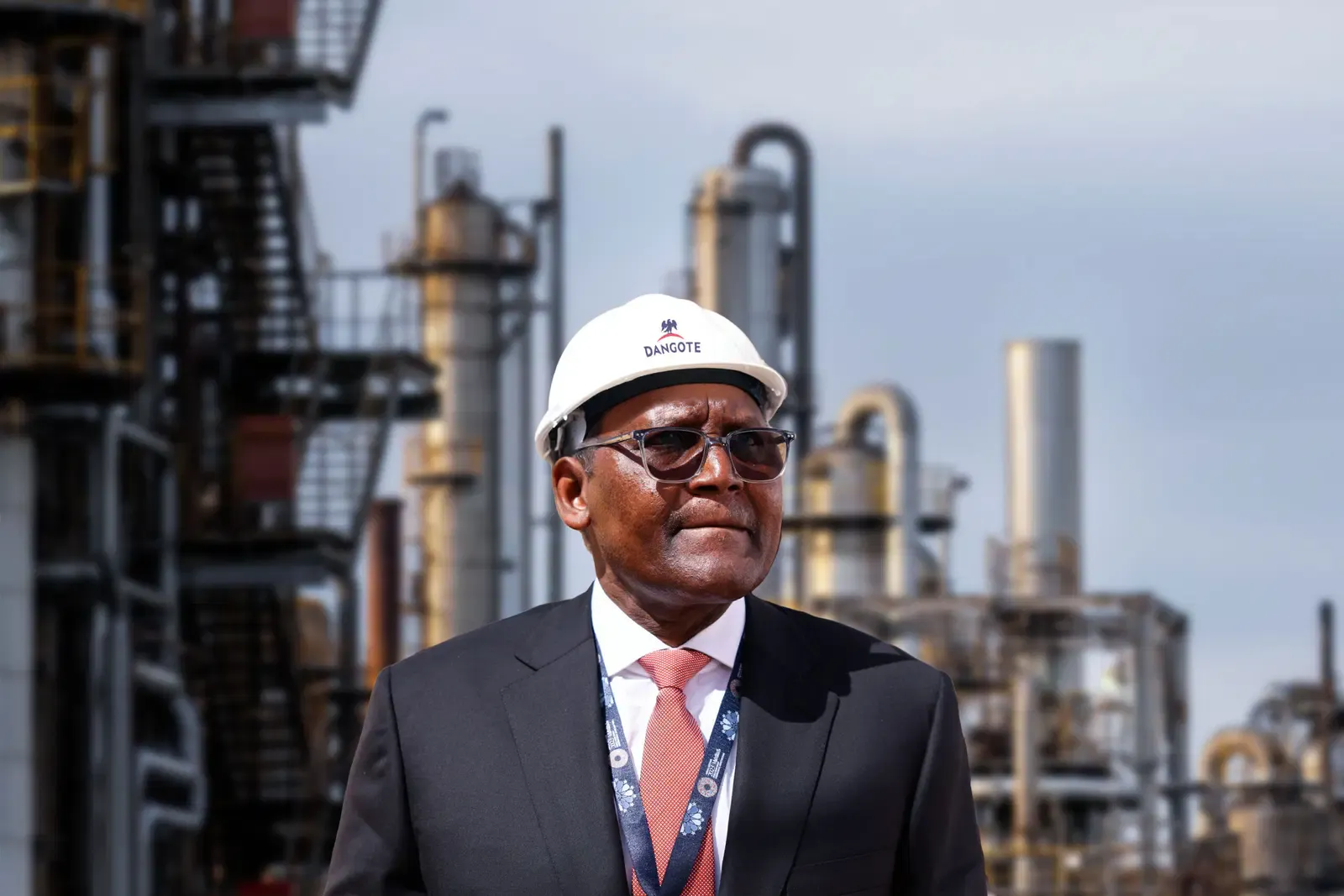

Nigerian Industrial Policy: FG targets 25% manufacturing contribution to GDP
Nigerian Industrial Policy: FG targets 25% manufacturing contribution to GDP
The national government has introduced the Nigerian Industrial Policy (NIP) which seeks to enhance value addition, promote industrial advancement, generate job opportunities nationwide, and ensure that the manufacturing sector plays a role of 25 percent in the country’s Gross Domestic Product (GDP).
At a preliminary unveiling of the policy in Lagos during the Nigerian Economic Summit Group (NESG) Macroeconomic Outlook Report for 2026 presentation, the State Minister for Industry, Senator John Enoh, made this announcement.
Enoh referred to the policy, which received approval and endorsement in 2025, as a crucial measure to convert Nigeria’s industrial capabilities into concrete productivity.
“In the past year, the dialogue around industrialization has gained more public attention. This policy was developed in conjunction with the industry, not for the industry alone, to ensure that all Nigerians are involved and that the execution remains a priority,” he articulated.
He noted that the policy is consistent with President Bola Tinubu’s eight-point national strategy, especially Agenda Seven, which focuses on diversification and industrialization.
The minister detailed that the framework is founded on six key areas: competitive production in industry; enhancement of value chains; reducing import reliance; transitioning micro, small, and medium enterprises to industry; enhancing trade competitiveness under the AfCFTA framework; and establishing effective institutional governance.
“These key areas aim to tackle Nigeria’s persistent issues, including disjointed value chains, excessive reliance on imports, and inadequate manufacturing abilities. The objective of the policy is to increase manufacturing’s share in Nigeria’s GDP to between 20% and 25% by 2030,” Enoh indicated.
He pointed to the recent short-term embargo on raw shea nut exports as indicative of the necessity for structured value enhancement and clear regulations.
“We created this policy not for mere admiration. A dedicated committee is already in place to focus on implementation, as the paramount concern is converting strategy into real jobs, productivity, and employment,” he stated.
The minister mentioned that the official reveal of the policy is planned for next month, with President Tinubu anticipated to lead the proceedings.
“The Ministry of Industry, Trade and Investment will work hand in hand with the Nigerian Economic Summit Group (NESG) to ensure broad stakeholder participation and effective execution. The focus has shifted from what the policy entails to how we can achieve its goals. Nigeria’s industrial future will not happen by accident, but through intentional policymaking, rigorous implementation, and shared commitment,” he concluded.