NMDPRA boss targets energy reform, improved fuel supply
NMDPRA boss targets energy reform, improved fuel supply
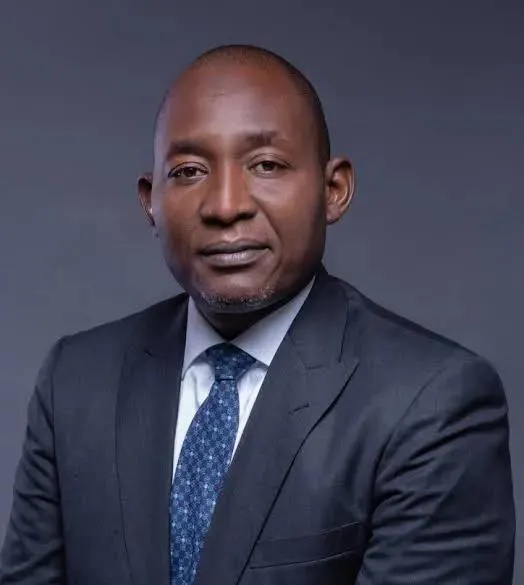
The Senate has approved Rabiu Umar as the Chief Executive of the Nigerian Midstream and Downstream Petroleum Regulatory Authority after he was screened on May 5, 2026.
A release from Umar's communications team indicated on Thursday that members of the legislature praised his expertise, understanding of the industry, and forward-thinking approach regarding Nigeria’s oil and gas sector during the screening process. Umar committed to enhancing national energy security, resolving supply issues, and ensuring consistent fuel availability across the country.
President Bola Tinubu proposed Umar on April 29, 2026, as part of initiatives aimed at improving regulatory functions and expediting reforms under the Petroleum Industry Act.
During the screening, Umar presented a plan centered around supply stability, effective regulation, fostering investor trust, and ensuring product access for all regions. He pointed out that global disturbances, including conflicts affecting key shipping routes like the Strait of Hormuz, would continue to have an impact on international fuel prices.
“International developments may influence prices, yet they should not dictate the stability of Nigeria. Our responsibility is to establish a petroleum framework that can withstand challenges, safeguard supply, and ensure that homes, businesses, and transportation remain operational throughout all circumstances,” he stated.
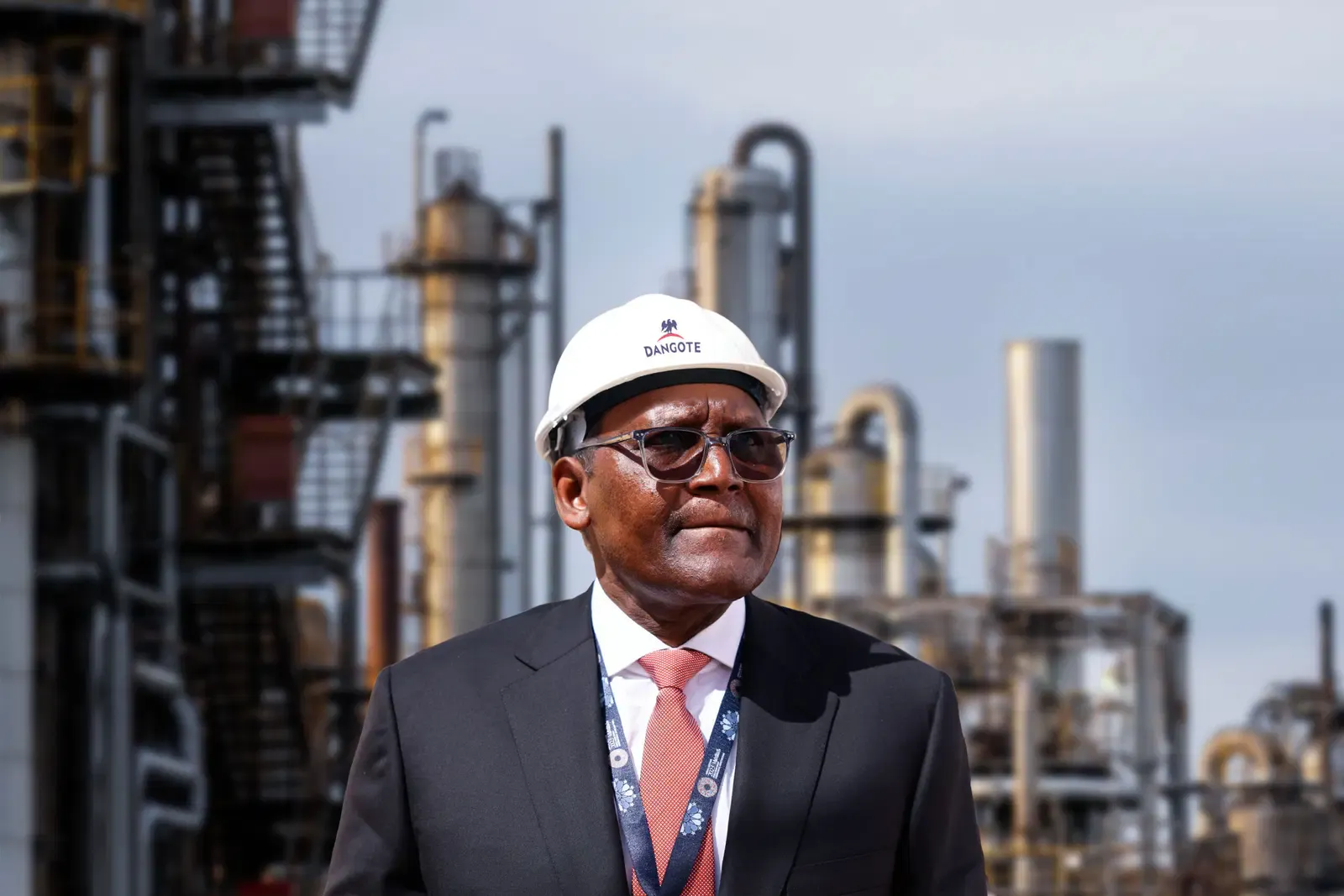
Umar brings over 20 years of expertise in the downstream petroleum sector, logistics, and manufacturing. He has previously worked in senior positions at Oando Plc, played a key role in revitalizing Ashaka Cement Plc, and served as the Group Chief Commercial Officer at Dangote Group before his departure eight months ago.
He expressed that urgent priorities entail improving the operational readiness of Nigeria’s 22 storage facilities, maintaining adequate stock levels throughout the country, and collaborating with relevant authorities to ensure product access.
“Energy security is not solely about quantities stored. It is determined by the availability of fuel when and where Nigerians require it. We will create a supply framework that is transparent, dependable, and nationwide,” he added.
Prior to his confirmation, Umar's nomination garnered support from industry organizations. The Independent Petroleum Marketers Association of Nigeria (IPMAN) and the Petroleum Retail Outlets Owners Association of Nigeria (PETROAN) welcomed the nomination and expressed confidence in his ability to tackle challenges within the sector.
Members of the Major Energy Marketers Association of Nigeria also endorsed his nomination, viewing it as a favorable sign for stability, professionalism, and ongoing reform efforts.
Umar vowed to transform the authority into an efficient regulator and a driving force for investment, growth, and market assurance by eliminating administrative hurdles and enhancing service standards.
“The NMDPRA under my direction will be strict in regulation, impartial in interaction, and swift in action. We will uphold standards, unlock investment opportunities, remove avoidable obstacles, and establish this Authority as a benchmark for professionalism and economic value creation,” he explained.
Industry experts noted that his statements to the Senate demonstrated a sound grasp of the connection between regulation, energy security, and market stability as Nigeria’s petroleum industry continues its reform journey under the Petroleum Industry Act.