

Central banks must remain independent, says ex-IMF boss Lagarde
Central banks must remain independent, says ex-IMF boss Lagarde
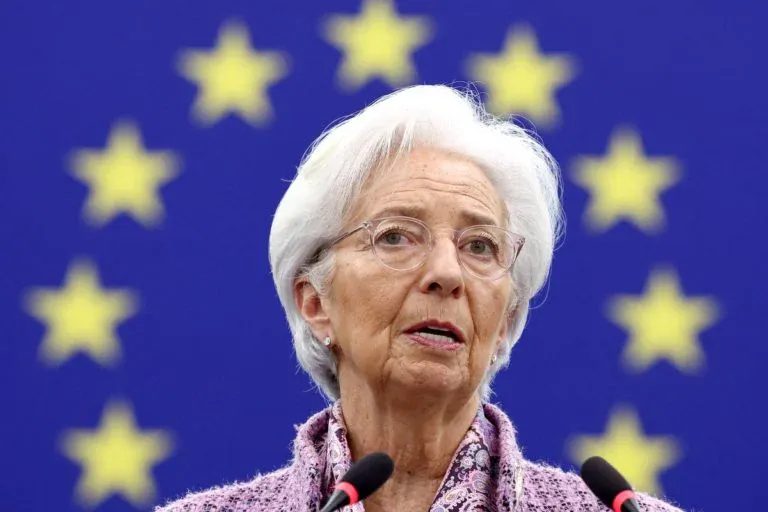
The President of the European Central Bank, Christine Lagarde, emphasized the importance for central banks worldwide to uphold their autonomy in the face of escalating political and economic challenges.
During her remarks on Thursday at a conference in Phnom Penh, Cambodia, Lagarde stated that the issue confronting monetary institutions has evolved; it is no longer solely about securing independence but rather safeguarding it during challenging times.
“The issue isn’t just about ensuring independence anymore,” she remarked. “It’s about how to uphold it when it faces adversity.”
Lagarde pointed out that central banks within emerging markets and developing nations have historically functioned under tougher circumstances, indicating that advanced economies might gain insights from these experiences.
“We have more to gain from your experiences than the reverse,” she expressed to the central bankers from regions in the Middle East and West Africa present at the event.
Her statements come amid increasing worries regarding political influence over monetary policy, especially in the United States, where President Donald Trump has frequently criticized the Federal Reserve regarding its interest rate choices.
Lagarde also mentioned insights from the oil crisis and stagflation period of the 1970s, arguing that there is evidence suggesting that nations with less autonomous central banks often face elevated inflation rates.
“This evidence highlighted the importance of protecting monetary policy from electoral cycles,” she stated.
She explained that central banks need to stay sufficiently connected to governments to advocate for public interests while also maintaining enough independence to resist political influences.
“To optimally fulfill public interests, a central bank should be adequately connected to the state — yet independent enough to stand up against current pressures,” she remarked.
Lagarde also cautioned that a rise in economic shocks and a decrease in public confidence in institutions could undermine the global authority and credibility of central banks.
“It is precisely during politically sensitive and economically burdensome monetary policy decisions that credibility is most essential,” she noted.
Her comments followed those made by ECB board member Isabel Schnabel, who cautioned that increasing levels of government debt could gradually undermine central bank independence by putting additional pressure on policymakers to maintain low interest rates.